
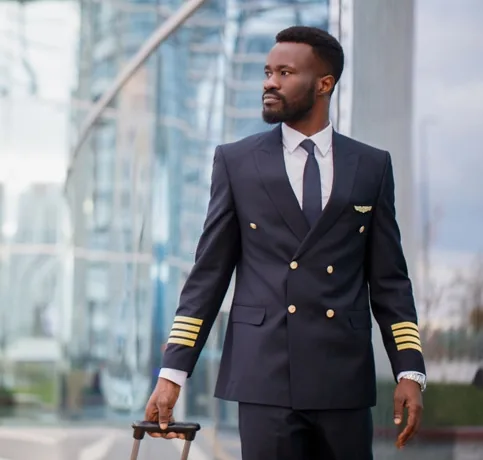
Our first cohort of line pilots has completed its simulator cycle. Twelve of them went in; twelve of them came out, on the full syllabus, in the full number of sessions.
That last part is worth stating plainly, because it is the part that is easiest to quietly shave. A simulator cycle can be compressed. Sessions can be combined, briefings shortened, the marginal scenarios dropped on the grounds that they are unlikely. We did not do any of that, and the schedule was built from the start on the assumption that we would not.
What the cycle covers
Most of the time is spent on things that will never happen. Engine failures at the worst possible moment in the take-off roll. Loss of pressurisation at altitude. Instrument approaches to minima in weather that would keep a sensible person on the ground. The point is not that these events are likely; the point is that the response has to be automatic when they are not.
The rest is the unglamorous half: standard callouts, checklist discipline, how two people in a cockpit talk to each other when they disagree. Crew coordination is a skill, not a personality trait, and it is trained like one.
Before a single seat goes on sale
Maintenance, crew training and flight operations are audited against international standards before we sell a ticket. That sequence is not a formality. It is the whole basis on which we are asking people to trust a new airline with a journey that matters to them.
The cohort now moves to line training, flying real sectors under the supervision of a training captain. Only after that does anyone operate a commercial flight unsupervised.